Pizza Place Cheyenne Favorites for Cheese Lovers
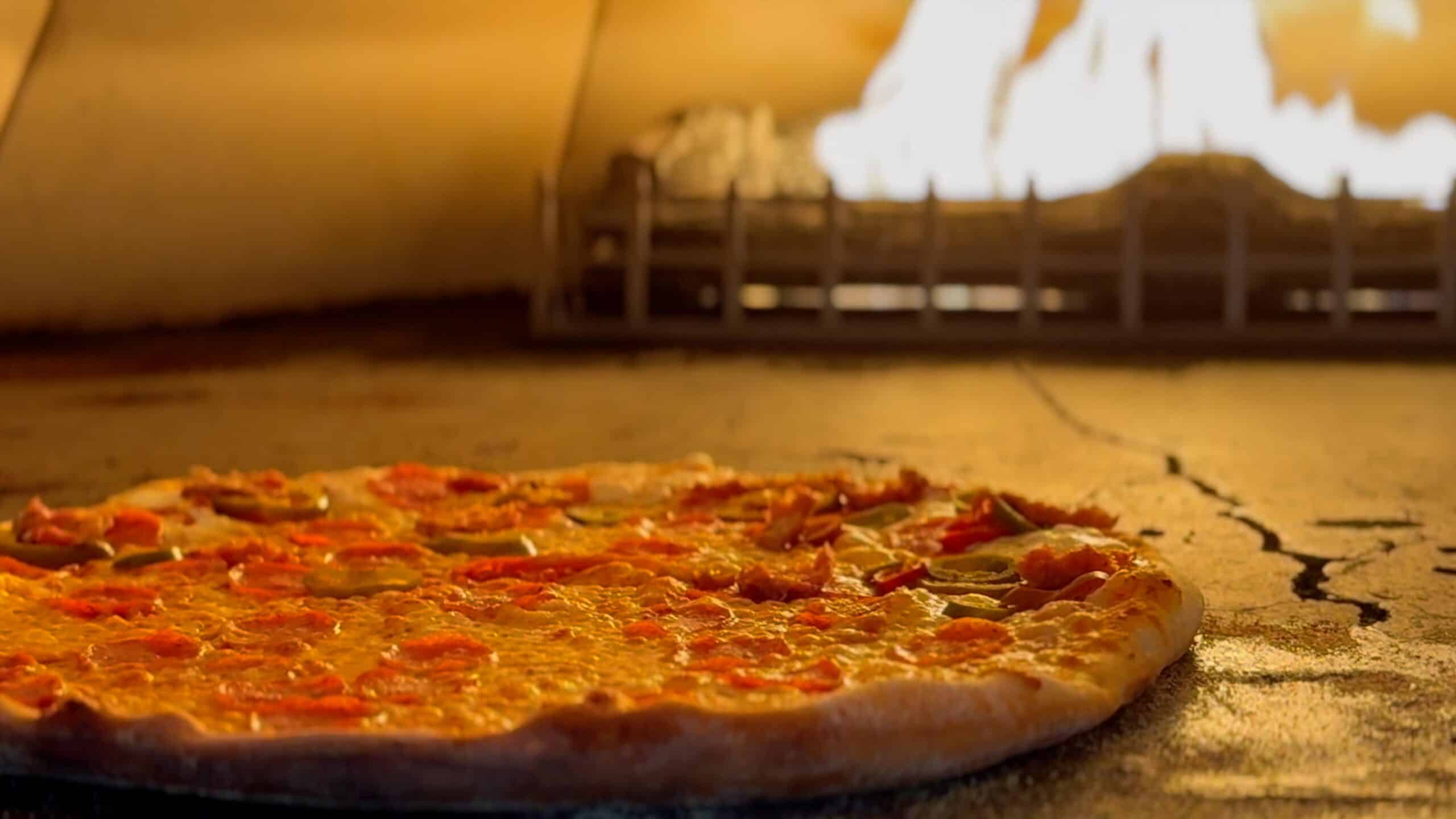
Cheese changes the whole mood of a pizza. Crust matters, sauce matters, the oven matters, but for people who order pizza with real intent, cheese is usually the deciding factor. It is the first thing you notice when the pie lands on the table, the part that stretches off the slice, the layer that carries salt, fat, texture, and heat. In a town like Cheyenne, where comfort food has to satisfy on cold nights and after long workdays, a good cheese pizza does more than fill you up. It settles you.
Anyone searching for a pizza place Cheyenne residents return to again and again for cheese-heavy pies usually wants more than “extra mozzarella.” They want balance. Too little cheese and the pizza feels stingy. Too much and the center turns swampy, the crust weakens, and every topping disappears under a blanket of dairy. The best cheese-forward pizzas hit a narrower mark than many people realize. They have enough coverage to feel rich, enough browning to create flavor, and enough structure that the slice still holds its shape from plate to last bite.
I have always thought cheese pizzas reveal more about a kitchen than loaded specialty pies do. Pepperoni can hide a lot. Sausage can distract from poor sauce. Jalapenos and hot honey can carry a forgettable bake. Plain cheese, or even a simple two-cheese build, leaves nowhere to hide. If the dairy blend is dull, if the bake is rushed, if the dough lacks character, you know it instantly.
What cheese lovers actually notice
People who say they love cheesy pizza are not all asking for the same thing. One diner wants a dramatic cheese pull and a soft center. Another wants browned edges and a firmer bite. A parent ordering for kids may want mellow flavor and familiar mozzarella, while someone with a more adventurous palate might look for provolone, fontina, ricotta, or parmesan layered in ways that add dimension rather than bulk.
That difference matters when you are deciding where to order. A strong pizza kitchen understands that “extra cheese” is not always the same as “better cheese.” A smart cook uses distribution, moisture control, and timing. Low-moisture mozzarella gives you that classic stretch and browning. Fresh mozzarella offers creamy pockets, but too much can flood the surface. Provolone sharpens the blend. Parmesan adds salt and nuttiness, especially when it lands near the end of the bake. Ricotta, used sparingly, creates contrast instead of weight.
When I judge a cheese pizza, I look first at the top. Is the surface evenly melted, or are there pale clumps and bare spots? Are there browned freckles from the oven, or does the cheese look steamed? Then I check the undercarriage, because a pizza overloaded with cheese often tells on itself there. If the bottom is blond and limp while the top looks heavy, the kitchen probably chose volume over technique.
Cheyenne diners tend to appreciate food that feels generous without feeling sloppy. That is why the most memorable cheese pizzas are usually not the ones with the highest pile of shredded mozzarella. They are the ones where every component got respect.
The styles that win over cheese-first diners
Not every pizza style treats cheese the same way. That is part of the fun, and part of the reason a cheese lover can have different favorites depending on the night.
A New York style pie gives cheese room to shine because the crust is thin enough to fold but sturdy enough to support a broad, even layer. This style often suits diners who want a classic mozzarella-forward experience, especially when the cheese reaches close to the edge and bubbles in small bronzed patches. The sauce matters here because it peeks through. Too sweet and it fights the dairy. Too acidic and it can make the whole bite feel sharp.
Pan pizza appeals to a different kind of cheese lover. In a good pan pie, cheese does not just sit on top. It bakes into corners and edges, creating a crisp, caramelized border where the dairy meets the metal. That edge can be the best bite in the box. If you have ever scraped up those dark golden bits with your fingertips before anyone else at the table noticed, you know what I mean.
Then there is the thin-crust, tavern-style approach, cut into squares and built for sharing. Cheese behaves differently here because each piece is lighter and crisper. You get less dramatic stretch and more immediate flavor. For groups, it is one of the easiest styles to love because every square gives a balanced ratio of crust, sauce, and melted topping.
A white pizza deserves a place in the conversation too. Without red sauce, the cheese becomes even more exposed. Garlic, olive oil, ricotta, mozzarella, and parmesan can create a rich pie that feels luxurious when handled with care. It can also become heavy in a hurry if the kitchen does not rein in the oil or season with enough restraint. A good white pie tastes composed, not overwhelming.
What to look for at a pizza place in Cheyenne
When cheese is your priority, ordering well starts before the box arrives. Menus can tell you a lot if you know how to read them. Places that specify their cheeses, mention fresh mozzarella or house blends, or describe bake details usually care about the product. Menus that lean only on topping quantity and oversized claims often focus more on volume than on texture and flavor.
A quality pizza place Cheyenne locals recommend for cheese lovers often does a few things quietly well. It offers more than one crust option, because cheese behaves differently on each base. It gives you enough freedom to adjust cheese levels or combine varieties. It also understands timing, which matters more than people realize. A cheese pizza that sits ten extra minutes in a delivery bag can lose the contrast between top and crust that made it great at the oven.
That last point is worth lingering on. If you are ordering a cheese-heavy pie for delivery, choose with realism. A pan pizza or a slightly thicker crust often travels better than a very thin pie loaded with fresh mozzarella. The thinner and wetter the build, the smaller the margin for delay. I have had excellent dine-in cheese pizzas turn merely decent by the time they reached a front porch in winter. That is not necessarily a flaw in the recipe. It is a reminder that format matters.
The best cheese combinations tend to be restrained
One of the easiest mistakes a customer can make is stacking cheese on top of cheese and expecting greatness by default. Mozzarella, ricotta, feta, cheddar, parmesan, provolone, and cream sauce might sound indulgent on paper, but all that richness can flatten the pizza’s pizza place cheyenne personality. You lose separation. Salt levels climb. The sauce fades. The crust softens. By the third slice, the experience becomes work.
In practice, two or three cheeses usually perform better than five. The reason is simple. Each cheese should contribute something distinct. Mozzarella provides melt and stretch. Provolone offers a little tang. Parmesan adds top-note savoriness. Ricotta creates creamy contrast in small dollops. Beyond that, the returns often diminish.
I once watched a cook finish a pie with just enough parmesan after the bake to catch the residual heat without scorching. It changed the whole slice. The mozzarella still handled the stretch, but the parmesan sharpened the aroma right as the box opened. That is the kind of detail cheese lovers remember. It is not flashy. It is disciplined.
Cheese favorites worth seeking out
Certain pizza builds consistently satisfy people who care most about the dairy layer. These are not gimmicks, and they do not depend on unusual toppings to work. They succeed because the cheese has room to lead.
- A classic whole-milk mozzarella pie with light sauce and a well-browned top.
- A mozzarella and provolone blend on a thin crust, where the extra tang cuts through the richness.
- A pan pizza with caramelized edge cheese, especially if the corners get deeply crisp.
- A white pie with ricotta, mozzarella, garlic, and parmesan, provided the oil is used sparingly.
- A margherita-style pizza with fresh mozzarella, if you are eating it quickly and hot.
That last option is wonderful in the restaurant and less reliable for a long drive home. Fresh mozzarella sheds moisture as it sits, and basil wilts fast under steam. It is a beautiful order when timing is on your side. It is not always the best delivery move on a snowy evening.
Why the crust matters more than cheese lovers admit
People talk about cheese as if it floats separately from the pizza underneath it. It does not. The crust decides whether all that richness feels satisfying or exhausting. A stronger crust can carry a heavier hand with mozzarella. A more delicate dough needs restraint or a quicker bake. Fermentation also affects how the cheese tastes, even if most diners would not phrase it that way. A dough with better flavor gives the dairy something to play against.
In practical terms, that means a truly good cheese pizza never tastes like melted cheese on bread. It tastes integrated. The crust has enough salt to support the topping. The interior stays tender but not gummy. The bottom has color. When you bite through the slice, the cheese stretches a bit before yielding, not sliding off in one blanket.
This is one reason cheese slices from mediocre shops can feel strangely empty. They are rich, but not complete. The crust brings no texture, the sauce adds little brightness, and the cheese is doing all the labor. After one slice, your palate is tired.
Ordering for delivery versus eating on site
If you are picking a pizza place Cheyenne families can rely on for cheese-heavy orders, think about where you will actually eat the pie. Dine-in and delivery are different experiences. Some pizzas peak in the first three minutes out of the oven. Others have enough structure to stay excellent through the drive home.
For delivery, I usually steer cheese lovers toward pan pies, standard mozzarella blends, and bakes that include some browned surface. Browning helps flavor survive the trip. A fully pale cheese top can seem flat once the pizza cools slightly. If the menu allows it, asking for the pizza well done is often a smart move, especially in cold weather. Not burnt, not dried out, just a touch more color on both top and bottom.
For dine-in, you can be more ambitious. Fresh mozzarella, burrata finishes, white pies, and lighter bakes all make more sense when the slice comes straight from the oven to the table. If the restaurant serves by the slice, watch what comes out for other tables. It tells you a lot. You can usually spot whether the kitchen favors heavy cheese loads, restrained builds, or crisp finishing.
A few practical ways to get a better cheese pizza
Most disappointing cheese pizzas are not disasters. They are small misses that could have been avoided with a better order. A few habits go a long way.
- Match cheese level to crust thickness. Thin crust handles less, pan crust handles more.
- Ask for well done if you like browned cheese and a firmer slice.
- Skip watery toppings when cheese is the star, especially tomatoes, extra ricotta, or too many vegetables.
- Eat white pies immediately whenever possible.
- Reheat leftovers in a skillet or oven, not a microwave, if you want the cheese to stay pleasant.
The reheating point sounds mundane, but it is worth saying. Microwave heat often separates oil from the cheese and turns a once-good slice rubbery. A skillet with a lid, or a short trip through a hot oven, gives you a much better second round.
Where personal taste takes over
At a certain point, technical quality stops being the only factor. Cheese preference gets personal fast. Some people pizza place cheyenne ruffranoshellskitchenpizza.com want the stretchy nostalgia of a classic neighborhood pie. Others want a more layered profile with sharper cheeses and a crisper bake. Neither camp is wrong. The best local places tend to recognize these preferences and give diners a few paths instead of forcing one house style to do everything.
I know people who judge every pizza by the cheese pull alone. If the first slice stretches halfway across the box, they are happy. I understand the appeal, but I have always cared more about the second bite than the first. The first bite is theater. The second tells you whether the salt is balanced, whether the sauce is carrying its weight, and whether the crust can stand up to the topping.
That is often the difference between a pizza that photographs well and a pizza you genuinely want to eat three slices of. Cheese lovers, despite the stereotype, are not simply chasing excess. Most are chasing comfort, consistency, and that hard-to-describe sense that every component landed in the right proportion.
The case for simplicity
There is a reason plain cheese remains the benchmark order. It strips away noise. At a busy restaurant, if the kitchen can send out a plain pie with lively sauce, fragrant browned cheese, and a crust that stays crisp at the edge and tender at the center, you are in good hands. If it cannot, no amount of toppings will solve the deeper issue.
For visitors and newcomers trying to find a dependable pizza place Cheyenne diners trust, ordering a straight cheese pizza is still one of the smartest first tests. Add a second pie if you want something more adventurous, but make the basic one part of the order. It tells you who takes the craft seriously.
There is also a quiet pleasure in not overcomplicating dinner. A cheese pizza done right does not ask for much explanation. It arrives hot, smells like toasted dairy and baked dough, and disappears quickly. Kids like it. Adults keep reaching for another slice. The leftovers, if there are any, rarely survive the next day.
Why cheese lovers keep coming back to the same places
Loyalty in pizza usually comes from repeatability, not novelty. A place wins a cheese lover over when the pie tastes good on a Tuesday, just as good on a Friday rush, and still good in January when the weather is working against delivery. Familiarity matters too. People remember how a local restaurant makes them feel. Maybe it is the browned edge on the pan pie, the salty finish on the mozzarella blend, or the way the crust stays crisp under a generous layer of cheese.
That memory drives repeat orders more than trend-driven toppings ever will. Nobody builds a long relationship with a pizzeria because of one clever special. They come back because the cheese pizza is honest, satisfying, and reliable.
Cheese lovers know that when they cut into a hot pie, they are looking for more than volume. They want flavor, texture, balance, and a kitchen that understands restraint. The best pizza experiences in Cheyenne, or anywhere else, come from that understanding. Find a place that respects the cheese enough not to abuse it, and you have probably found the one worth saving in your rotation.
Ruffrano's Hell's Kitchen Pizza Cheyenne
Address: 1670 E Cheyenne Mountain Blvd, Colorado Springs, CO 80906
Phone number: +17195764355
FAQ About Pizza Place Cheyenne
What's the most popular pizza place?
The "most popular" pizza place depends on whether you measure by location count, total sales, or customer favorite status.
What is the 2 pizza rule?
The two-pizza rule is a management principle made popular by Amazon founder Jeff Bezos. It states that a team or meeting should never be larger than what can be fed with two large pizzas—typically translating to a group of 5 to 10 people (or roughly 6 to 12 people depending on appetites).
Is 2 pizzas enough for 10 people?
No, 2 pizzas are usually not enough for 10 people.